Silicone Sealant TDS, SDS, COA: What Are They & Why You Need Them
Silicone Sealant TDS, SDS & COA: What Are They & Why You Need Them
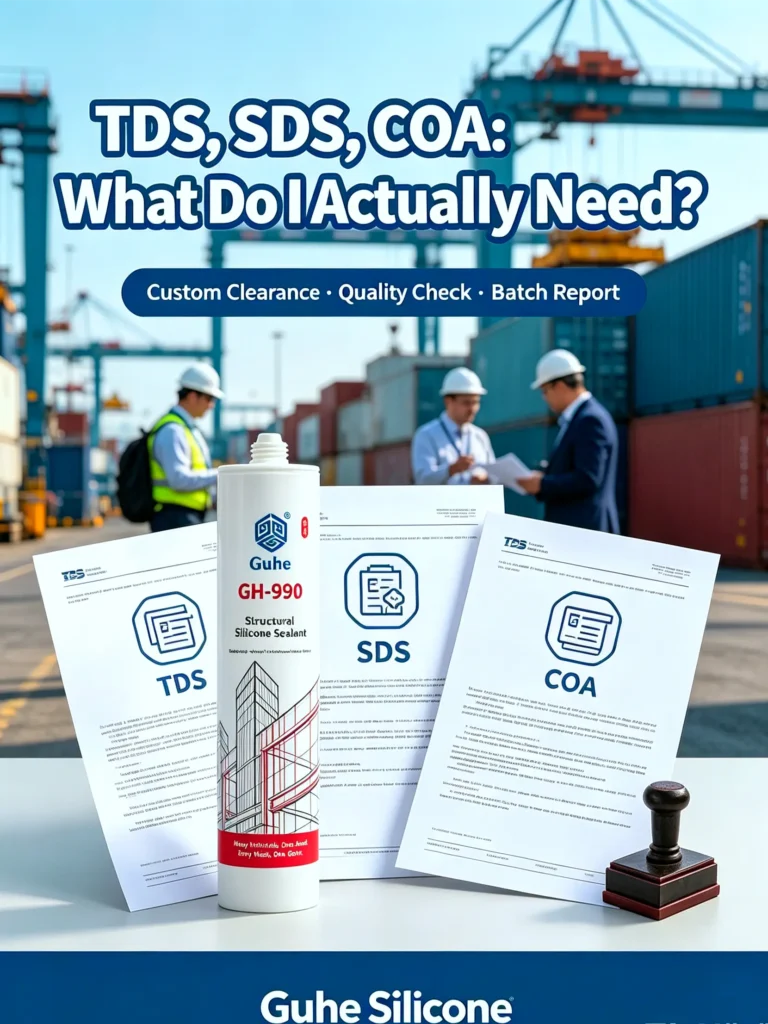
If you’re new to importing silicone sealant, you’ve probably seen these three letters: TDS, SDS, COA. A lot of new importers get stuck at customs because they don’t have these documents, or they’re the wrong version.
This guide explains each one in simple terms, and why you can’t import without them.
TDS – Technical Data Sheet
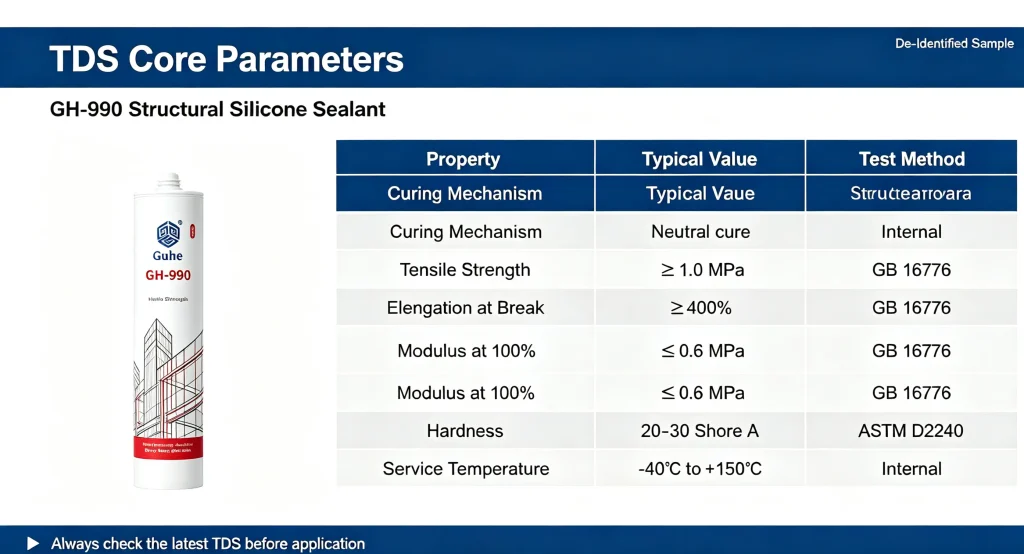
Think of this as the product’s spec sheet. It tells you exactly what the product is and what it can do.
What’s in it:
What kind of cure it is (neutral, acetic)
How strong it is, how far it can stretch
Temperature range, UV rating
How to apply it, how long it takes to cure
Shelf life and storage rules
Why you need it:
Customs uses it to classify the product and apply the right tariff
Your customers use it to check if it works for their project
You need it for bidding jobs and quality inspections
SDS – Safety Data Sheet
This is the safety and handling document. It tells you how to transport, store and handle the product safely. It used to be called MSDS.
What’s in it:
Any hazards to be aware of
First aid instructions
Fire safety info
How to store it properly
Transport guidelines
Environmental info
Why you need it:
It’s required by law for international chemical shipping
Almost every country’s customs asks for it – Nigeria, Brazil, Middle East, all of them
Keeps your warehouse staff safe
COA – Certificate of Analysis
This is the batch-specific quality report. It proves that the shipment you’re getting actually matches the specs you were promised.
What’s in it:
Batch number and production date
Actual test results for key specs
Which standard it was tested against (like GB/T 14683)
Factory quality stamp
Why you need it:
Proves every batch is consistent – critical if you’re repackaging under your own brand
Project owners and inspectors will ask for it
If there’s a quality issue, this is the official record
Most Common Document Problems
Generic, out-of-date documents – Some suppliers send one generic COA for everything. You need a real one for your specific batch.
Wrong product classification – If the TDS doesn’t match the HS code, customs will delay your shipment or charge wrong tax.
No English version – Always get English documents for import. Some countries also want local language translations.
Numbers don’t match – Make sure batch numbers and quantities match between all documents.
Our Document Guarantee
At Guhe Silicone, every shipment comes with a full set of official English documents:
Up-to-date TDS for every product model
Standard SDS that meets international shipping rules
Real batch-specific COA with actual test numbers
All ready to use for customs clearance
If you need special document formats for your country, let our export team know and we’ll sort it out.