Weatherproofing Silicone Sealant for Building Facades: Selection Guide
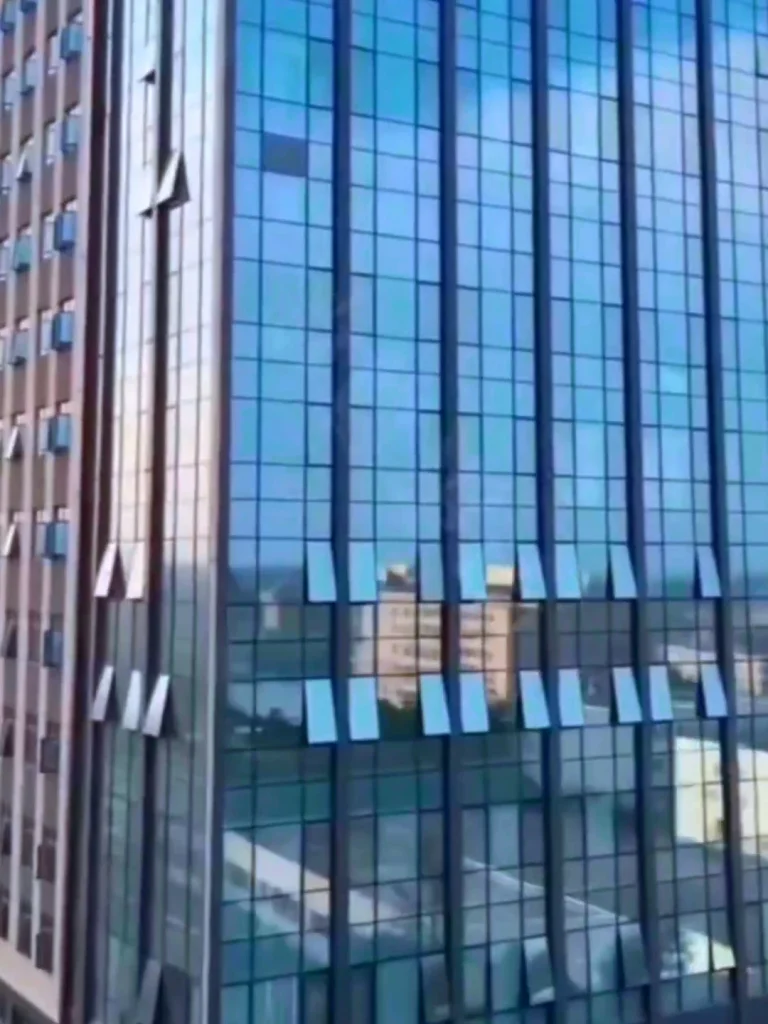
Building facades are constantly exposed to rain, UV radiation, temperature fluctuations, and wind movement. Weatherproof silicone sealant is the primary material used to seal exterior joints, protecting buildings from water infiltration, air leakage, and environmental damage. Selecting the right weatherproof sealant directly impacts facade durability, maintenance costs, and long-term aesthetic appearance.
This guide explains everything you need to know about weatherproof silicone sealants for building facades, from core performance properties to practical selection criteria.
- What Is Weatherproof Silicone Sealant?
Weatherproof silicone sealant is a flexible, elastomeric sealant designed specifically for exterior building joint applications. Unlike structural sealants that bear load, weatherproof sealants are primarily designed to create a waterproof, airtight barrier while accommodating joint movement caused by thermal expansion, wind, and building settlement.
For facade applications, it must maintain elasticity and adhesion over years of outdoor exposure without cracking, shrinking, hardening, or discoloring. - Key Performance Properties for Facade Applications
When evaluating weatherproof silicone sealants for exterior use, focus on these critical properties:
Weather and UV resistance: Must withstand long-term sunlight and weather exposure without degradation. Premium formulations retain performance for 10+ years in exterior environments.
Movement capability: Typically ±25% for standard facade applications, allowing the sealant to expand and contract with temperature changes without tearing.
Waterproofing performance: Must create a continuous, watertight seal to prevent rainwater infiltration into the building envelope.
Adhesion to common substrates: Must bond reliably to aluminum, glass, stone, concrete, and other common facade materials.
Temperature resistance: Should maintain performance across typical exterior temperature ranges, from cold winters to hot summer conditions.
GB/T 14683 compliance: Products manufactured to this national standard provide verified performance and consistency for building applications. - Common Facade Applications
Weatherproof silicone sealants are used across a wide range of exterior building joint applications:
Curtain wall frame joints
Stone and panel facade joints
Window and door perimeter sealing
Roof-to-parapet joint sealing
Expansion joints in concrete facades
Cladding panel joints
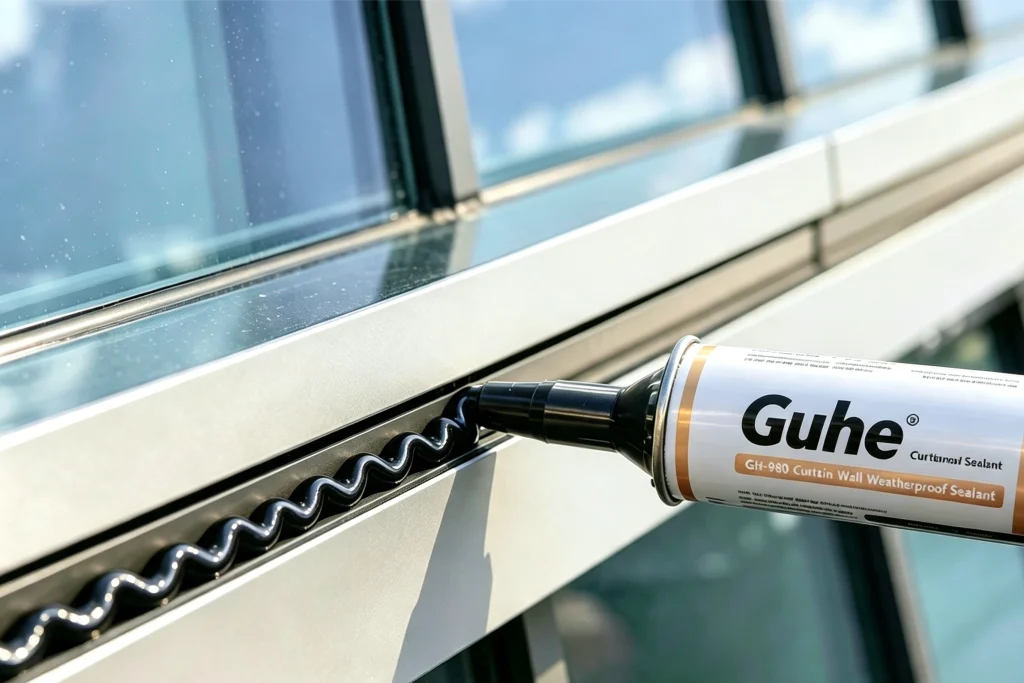
Product Highlight: GH-980 Weatherproof Silicone Sealant from Guhe Silicone is formulated specifically for building facade applications. It offers excellent weather and UV resistance, ±25% movement capability, and reliable adhesion to aluminum, glass, and stone substrates. Manufactured to GB/T 14683 standards, it delivers long-lasting exterior sealing performance for all types of facade systems. - How to Select the Right Weatherproof Sealant
4.1 Match Movement Capability to Joint Design
Calculate the expected joint movement based on panel size, material, and temperature range. Select a sealant with movement capability that exceeds the calculated requirement to ensure long-term performance.
4.2 Consider Environmental Conditions
Projects in coastal areas, high-UV regions, or extreme temperature climates require enhanced formulations. For projects in the Middle East or tropical regions, select sealants with superior UV resistance and high-temperature stability.
4.3 Verify Substrate Compatibility
Always confirm that the sealant is compatible with the specific facade materials (aluminum, stone, glass, concrete). Some substrates may require primer to achieve optimal adhesion.
4.4 Evaluate Aesthetic Requirements
For visible facade joints, color consistency and non-staining properties are important. Quality weatherproof sealants are available in multiple standard colors and can be custom color-matched for specific projects. - Common Application Mistakes
Incorrect joint depth: Improper depth-to-width ratio reduces movement capability and can cause sealant failure.
Poor surface preparation: Dirty, wet, or dusty substrates lead to adhesion loss and water leakage.
Application in unsuitable weather: Applying sealant in rain, high humidity, or extreme temperatures negatively affects curing and performance.
Using structural sealant for weatherproofing: Structural sealants have different properties and are not optimized for exterior weather sealing joints. - Final Recommendations
Weatherproof silicone sealant is a critical component of any building facade system. The right sealant provides long-lasting waterproofing, accommodates joint movement, and maintains aesthetic appearance over the building’s lifecycle.
Prioritize products that meet recognized industry standards, match your specific project environment, and come from manufacturers with proven exterior application experience.
Looking for reliable weatherproof silicone sealant for your facade project? Request a free quote from Guhe Silicone today. Our technical team can help you select the right product for your specific application.